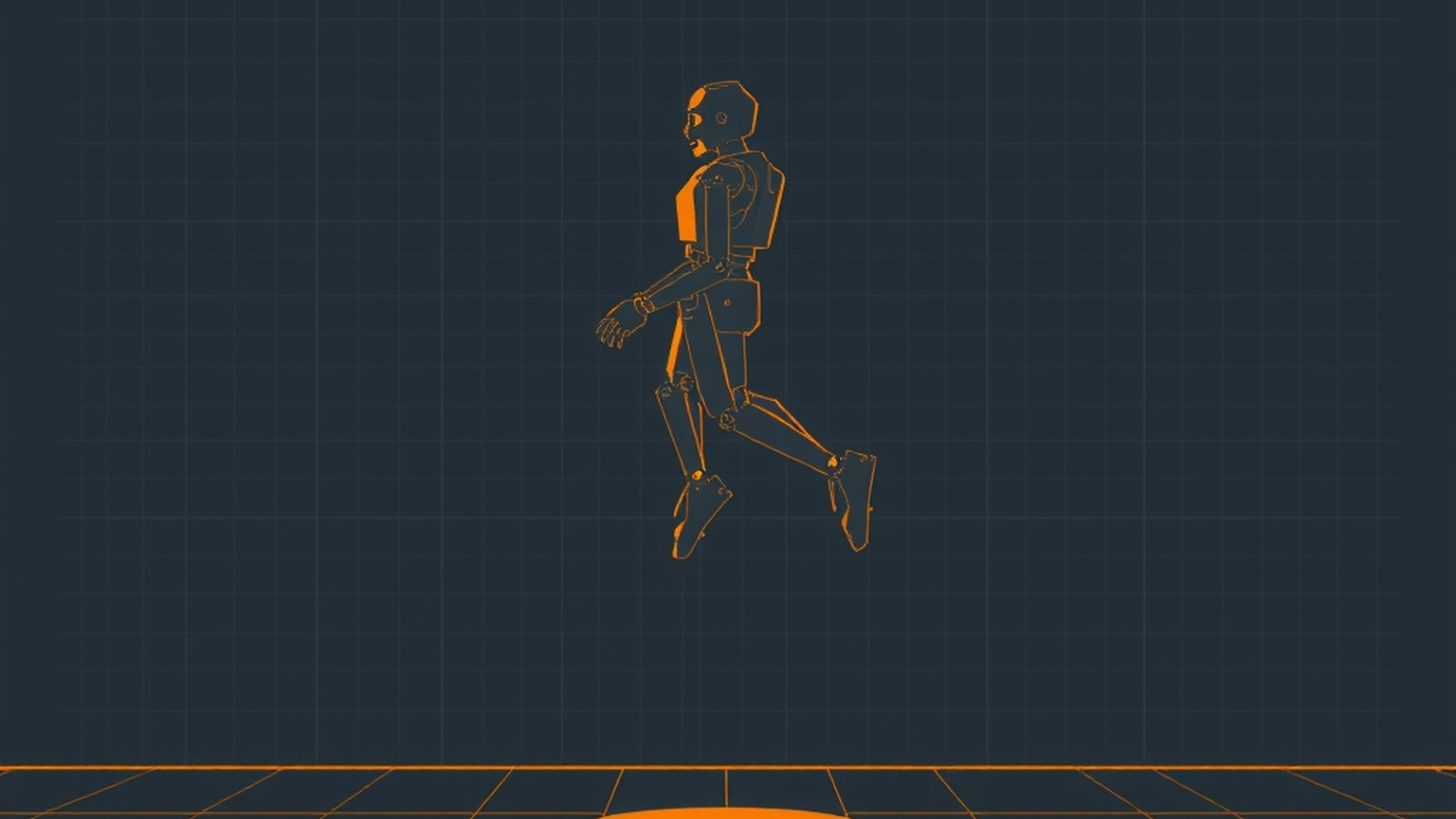
Unitree says its Superman humanoid prototype can jump 2 meters from a standing position and reach a running speed of 12.66 meters per second. China Daily reported the figures after the robot's August 17 unveiling.
These are manufacturer-reported results. We treat them as claims about a developing prototype, with the attribution attached wherever the numbers appear.
Key takeaways
- Unitree reports a 2-meter standing jump, a top running speed of 12.66 m/s and legs measuring 0.85 meters.
- The company says development took a little more than three months and further improvements are planned.
- Guinness lists Christopher Spell's 2021 male standing-jump record at 1.70 meters. That listing concerns a human record.
- Analysts interviewed by the Global Times describe dynamic tests as a way to examine robot coordination, while cautioning against treating one record as a solution to practical deployment problems.
What Unitree reports about Superman
The figures below come from China Daily's account of Unitree's announcement. They describe the prototype; they are not specifications for the company's other humanoids.
| Reported measure | Unitree's figure |
|---|---|
| Standing jump | 2 meters |
| Top running speed | 12.66 meters per second |
| Leg length | 0.85 meters |
China Daily also reports that the machine remains under development. Unitree says it intends to continue refining and upgrading it. The reported development period of just over three months describes the work leading up to the unveiling.
What the human jump benchmark actually says
The Guinness World Records page for the highest standing jump by a male lists Christopher Spell's 1.70-meter result, achieved on February 7, 2021. That is the specific human benchmark readers can check when assessing the comparison in coverage of Superman.
Unitree's 2-meter claim and the Guinness listing are separate pieces of evidence. The Guinness page identifies Spell and his achievement; it does not certify this robot's performance. Our comparison therefore keeps the company claim and the human record labelled separately, without declaring a new Guinness title for Unitree.
Why analysts discuss coordination
In interviews with the Global Times, analyst Ma Jihua described extreme movement tests as a way to investigate the coordination of a robot's hardware and software. Xiang Ligang highlighted the demands such movement places on stability and coordination across the whole body.
Those comments explain what the analysts consider useful about dynamic testing. They are not a report that Superman has passed a safety certification or completed a commercial deployment.
What to take from the demonstration
Ma also cautioned that a single performance record does not settle the challenges of using robots in practical settings. That distinction is the useful answer to the question raised by the demonstration: jumping performance can be discussed on its own terms, while claims about deployment need their own evidence.
For now, Unitree's stated next step is further refinement of the prototype.
Sources
This article was researched and fact-checked against the following sources:
- Unitree unveils Superman humanoid robot with vertical jump of 2 meters (chinadaily.com.cn)
- Unitree statement and analyst interviews on its new humanoid (globaltimes.cn)
- Highest standing jump (male) (guinnessworldrecords.com)