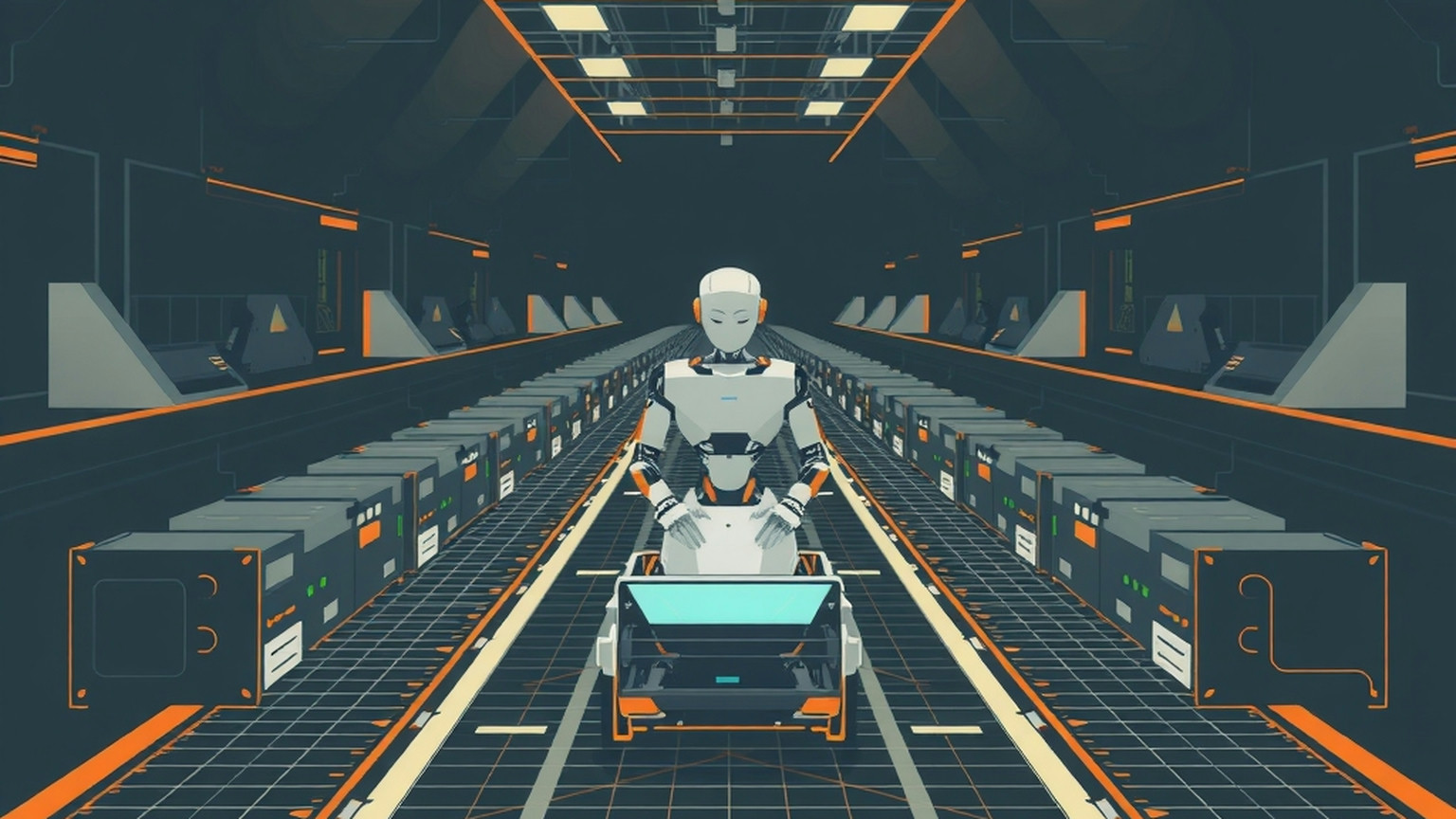
Apptronik says its nearly 90,000-square-foot Austin Robot Park uses Apollo 2 robots in bipedal and wheeled-base configurations to collect data across customer-driven logistics, manufacturing and retail tasks.
The company announced the opening of the newly expanded facility on June 30, 2026. It describes the Austin site as the anchor of a network that includes customer and partner locations.
How Apollo 2 collects training data
Apptronik says Apollo 2 has operated behind Robot Park for more than a year as a data-collection and training platform.
According to the company, the robots gather data through teleoperation and autonomous execution. Apptronik says the resulting dataset is used to train and refine Google DeepMind's Gemini Robotics models.
The June announcement says similar workflows have been deployed with research partner Google DeepMind and at customer sites including Mercedes-Benz and GXO. Because the described workflow includes teleoperation, it does not support describing every data-collection run as autonomous.
Why Apptronik uses two configurations
Apollo 2 is available with a bipedal or wheeled base. Apptronik says the wheeled version is designed to conform with existing industrial mobile-robot safety standards. The company describes the bipedal version as offering adaptability for more complex environments.
Those statements describe Apptronik's design goals for the two configurations, not measured comparisons between them.
How the work connects to Apollo 3
Apptronik says what it proves and learns through Apollo 2 directly supports development of Apollo 3, which it calls its next-generation commercial product.
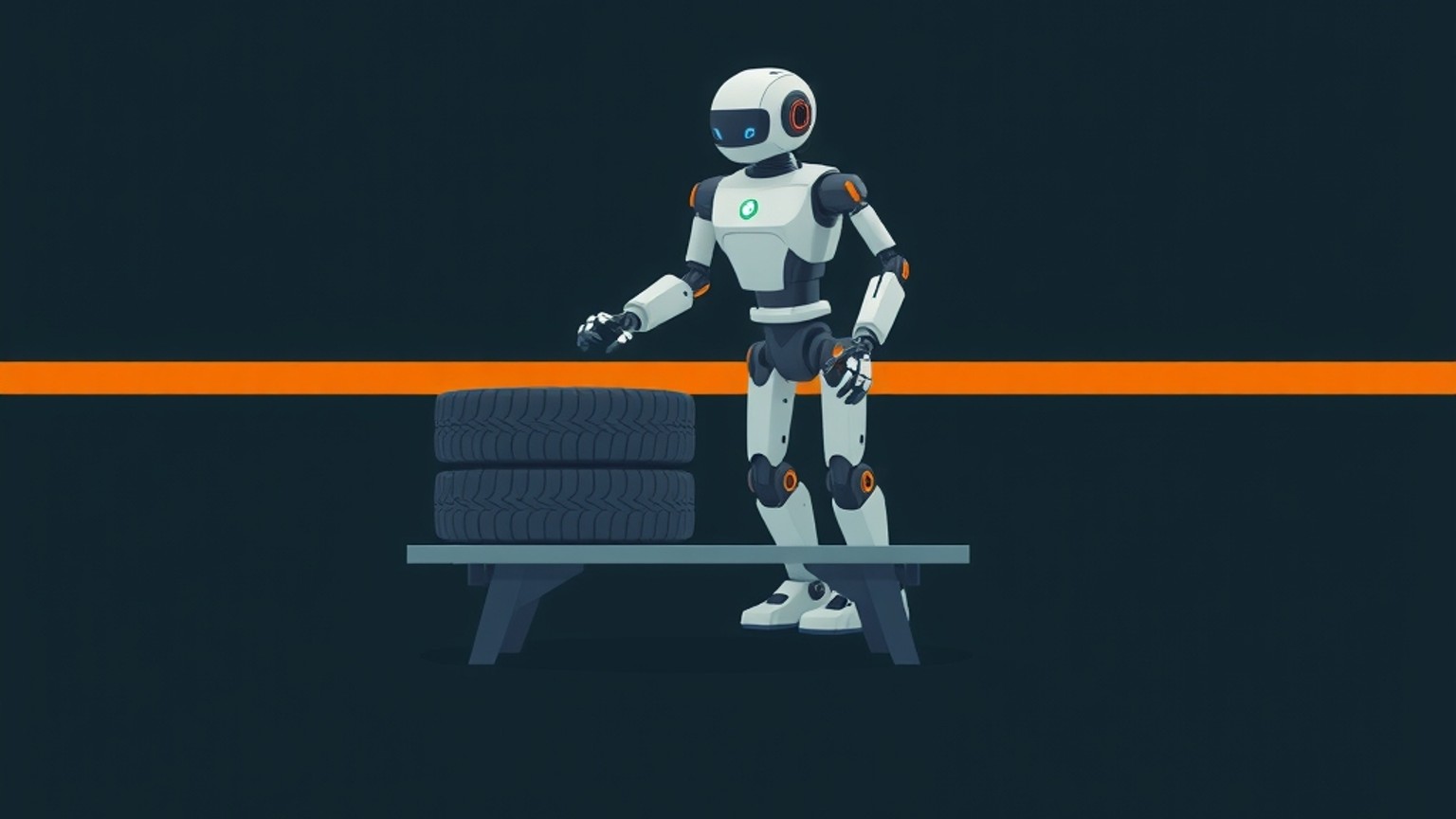
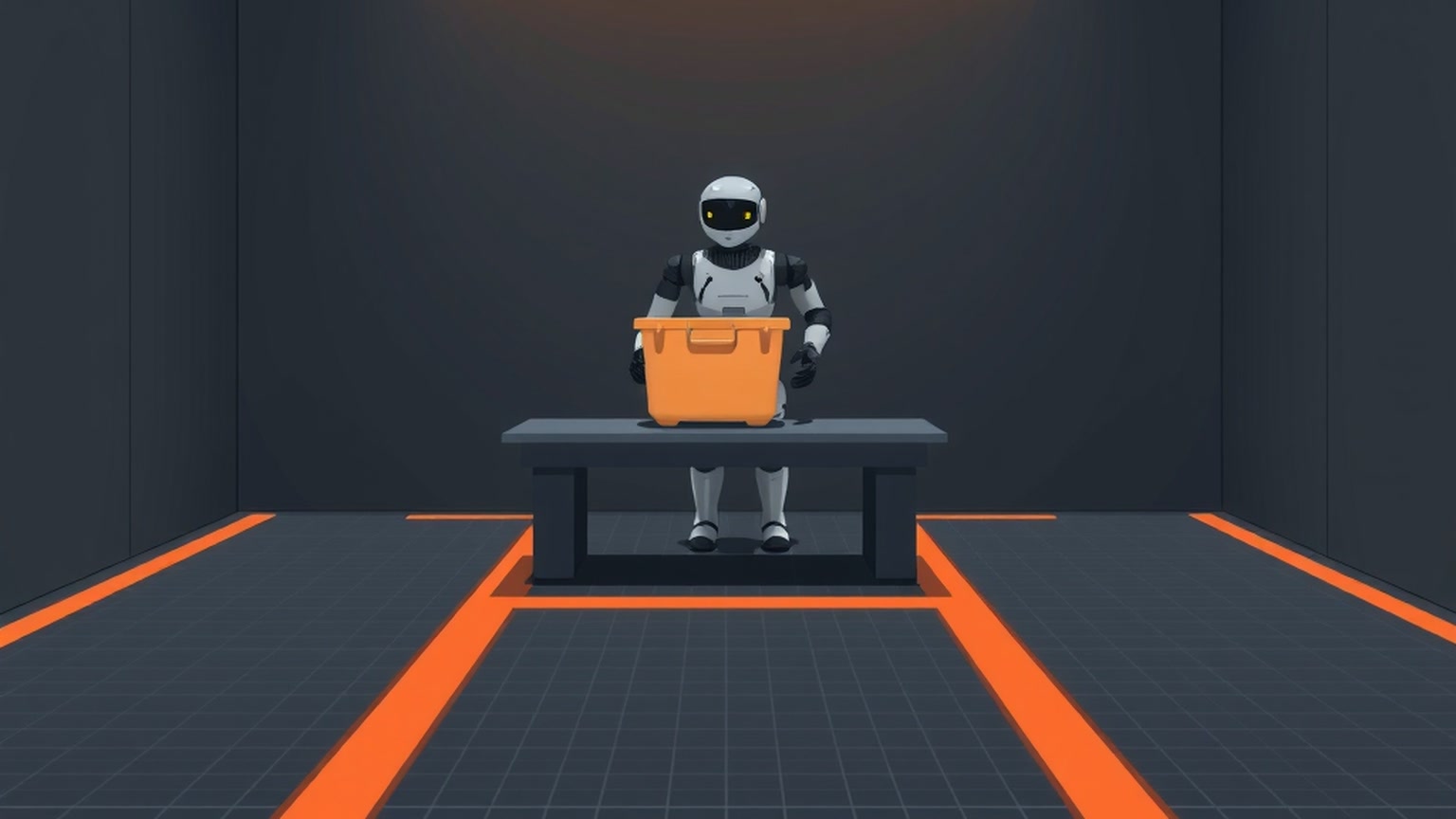
The cover is a conceptual illustration of a humanoid training task, not a product photograph.
Sources
This article was researched and fact-checked against the following sources:
- Apptronik - News (apptronik.com)
- Apptronik unveils Apollo 2 and a flagship data collection and training facility - The Robot Report (therobotreport.com)
- Apptronik Opens Robot Park to Train Apollo 2 | Let's Data Science (letsdatascience.com)
- Apptronik - Press Releases (apptronik.com)
- Welcome to Robot Park: Where Apptronik’s Apollo Goes to Work Training the Next Generation of Humanoid Robot Intelligence | RoboticsTomorrow (roboticstomorrow.com)