Toyota Motor Manufacturing Canada signed a Robots-as-a-Service agreement with Agility Robotics after a year-long pilot involving three Digit humanoids. The current work is narrow and concrete: the robots feed automotive-parts totes to the assembly line by unloading and reloading an automated tugger.
That scope matters. The available reporting documents a commercial agreement and a defined material-handling task. The current guarded deployment is not evidence that Digit runs an assembly line or works freely beside employees.
From a three-robot pilot to a staged rollout
The pilot used three Digit robots and moved through development, proof-of-technology and onsite phases. Toyota Motor Manufacturing Canada then agreed to deploy Digit in support of manufacturing, supply-chain and logistics operations.
Public reports describe different stages of the follow-on rollout. The Robot Report said the company planned to add seven humanoids after the three-robot pilot, with more possible if those deployments succeeded. Canadian Metalworking subsequently reported that the Woodstock, Ontario, facility had seven Digit robots and was currently deploying three.
Those figures should not be combined into a claim that 10 robots are already operating. One report describes a plan for seven additional units; the other distinguishes robots at the facility from the three being deployed.
What Digit does at Woodstock
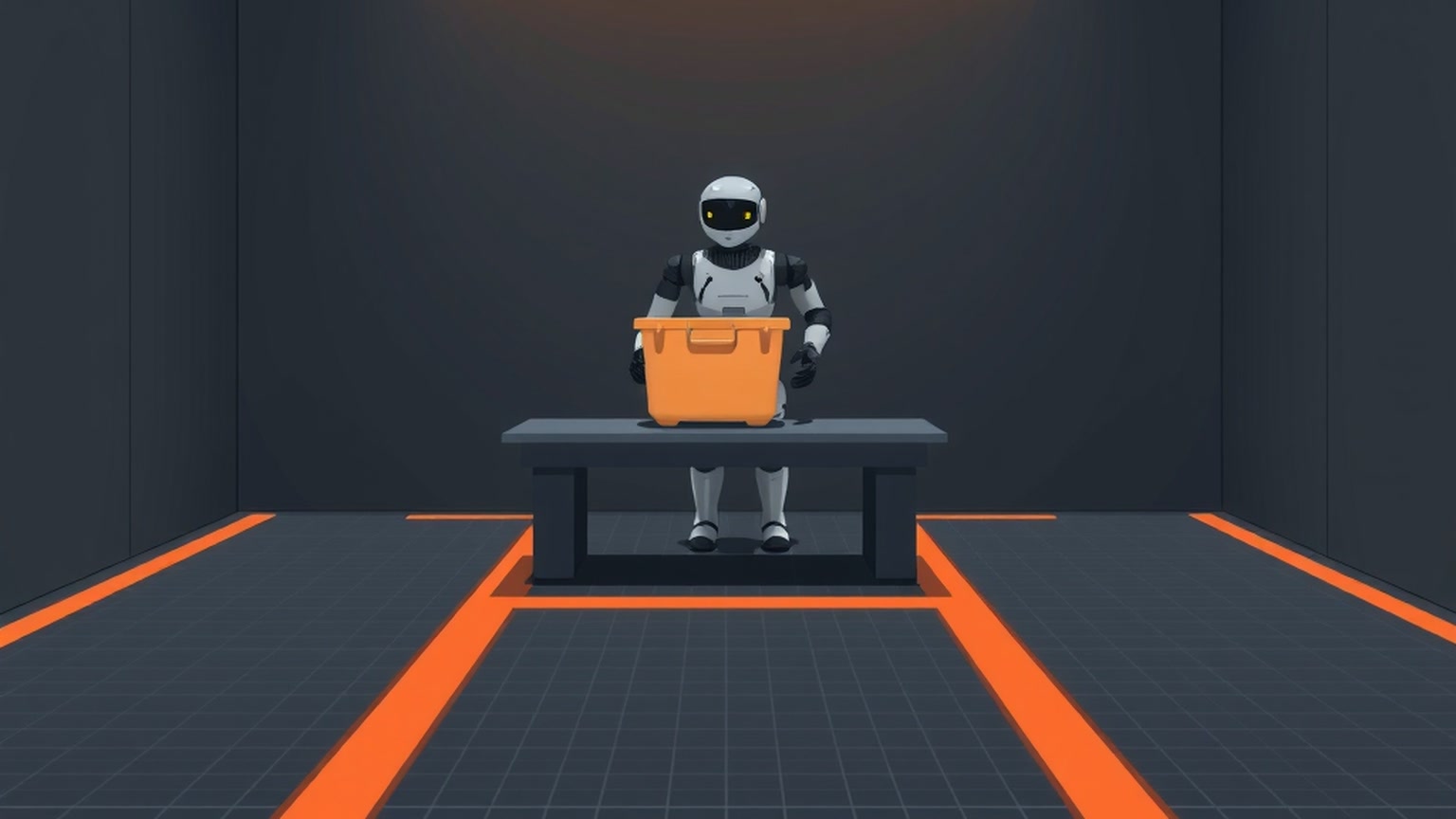
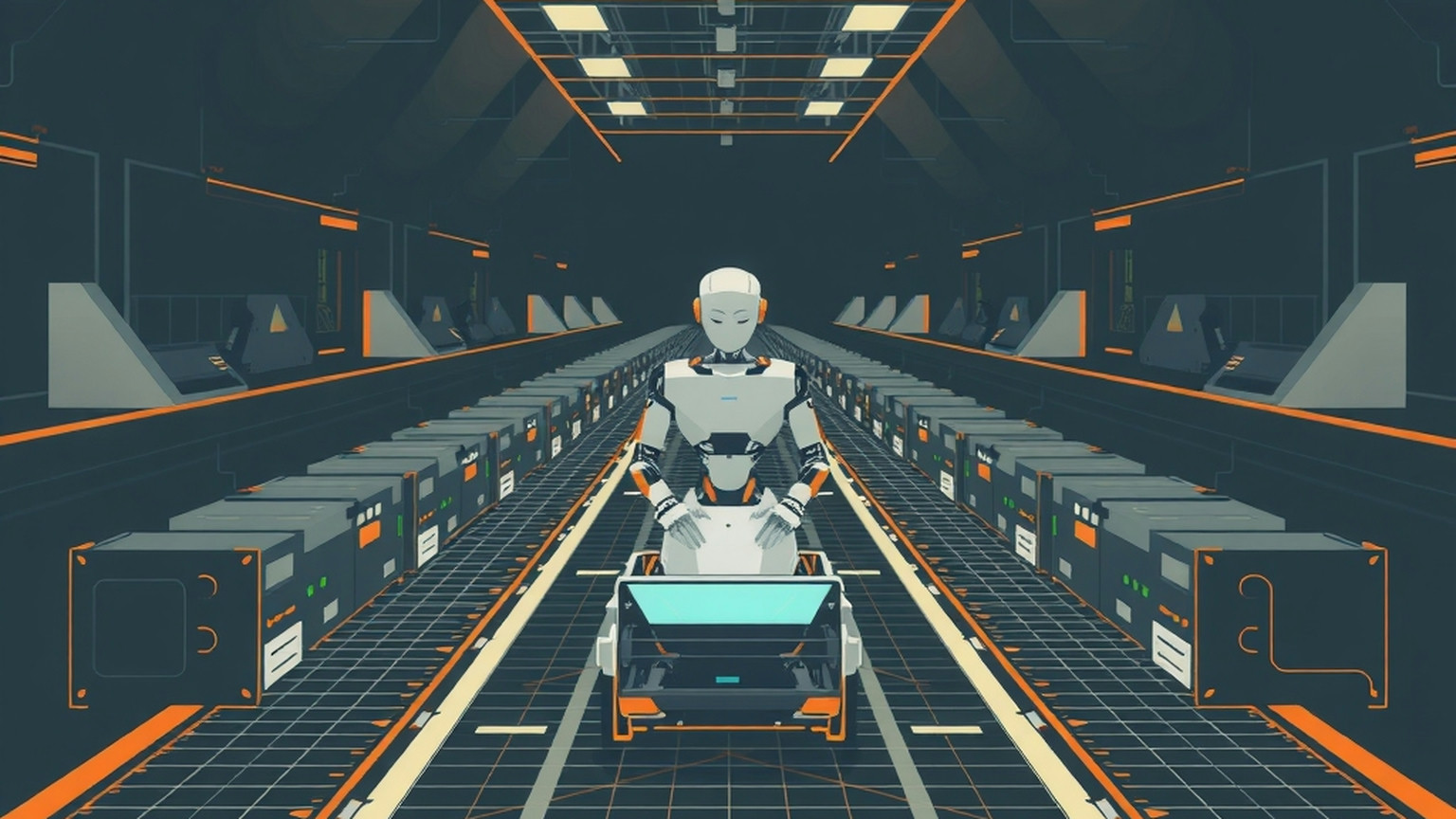
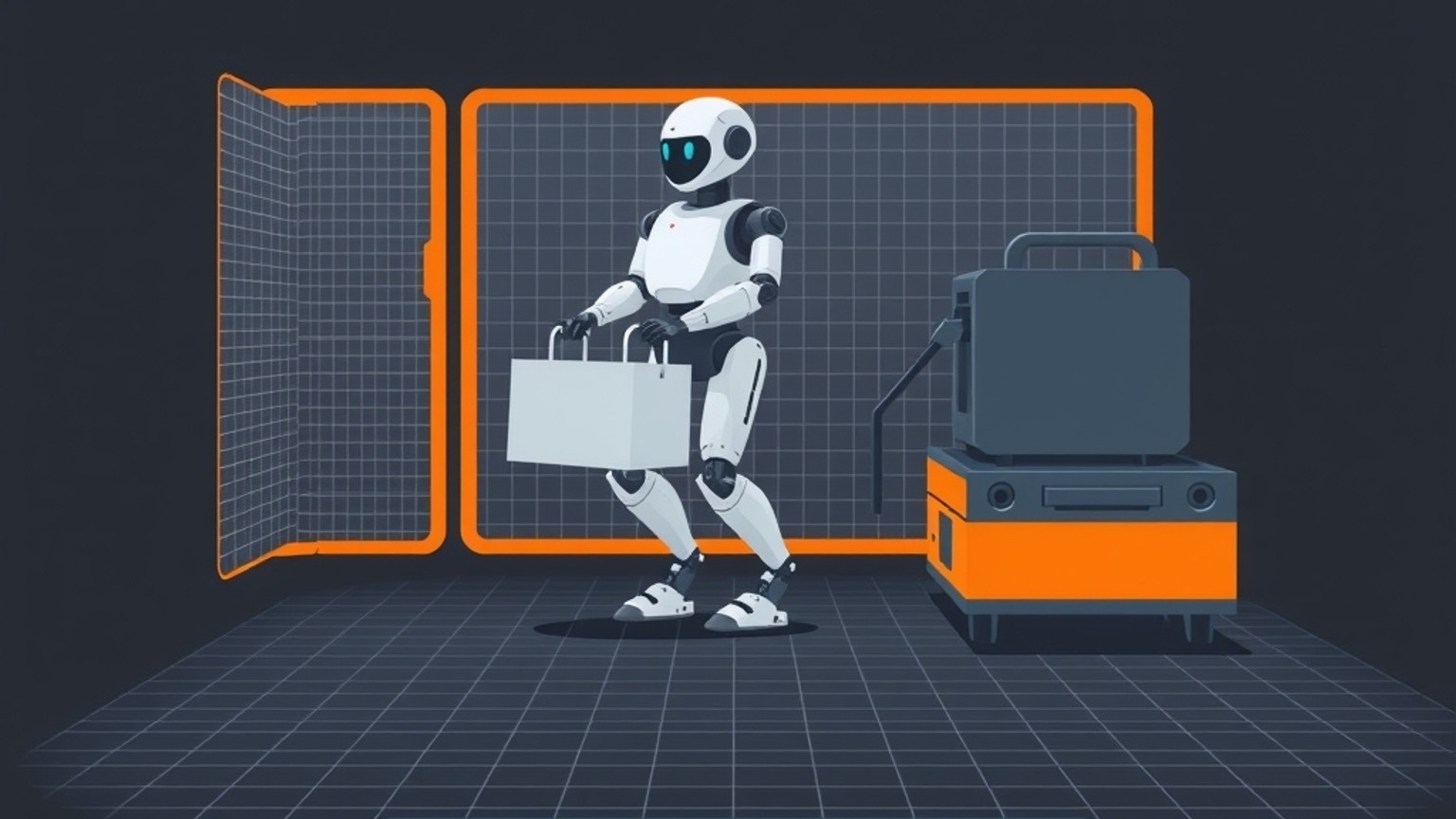
The assigned job is tote handling. Digit takes empty automotive-parts totes from an automated tugger and returns filled totes, feeding parts toward assembly. It is a specific link between an existing mobile transport system and the next stage of production.
Agility Robotics Chief Technology Officer Pras Velagapudi told Canadian Metalworking that AI is used when the robot reaches a location and recognizes the tote shape. He said this approach lets the robot use existing bins after training rather than requiring different bins or related infrastructure changes.
Agility also provides Agility Arc, which the company describes as a cloud platform for deploying and managing fleets of Digit robots.
Payload and guarding define the current limits
Canadian Metalworking reported a current payload of 16 kg across Digit’s full workspace. Agility’s target for the next generation is 23 kg, so the higher figure is a development goal rather than the capability of the robots described at Toyota.
The safety boundary is equally important. The current robot operates inside a workcell with guarding, door interlocks and light curtains that stop it when a person enters. Agility’s goal is for a future version to function as a collaborative robot, and the company is participating in an ISO working group that is developing safety standards for that kind of deployment.
The trade report also says AI assists with stability recovery when Digit stumbles. That capability does not change the present requirement for a guarded workcell.
What the companies plan to assess next
Agility and Toyota Motor Manufacturing Canada say they will examine more production use cases. Their announcement presents reduced strain, increased safety and more time for higher-value work as possible benefits of automating repetitive, physically taxing tasks. Those are goals for the continuing assessment, not measured outcomes from the tote workflow.
Toyota Motor Manufacturing Canada President Tim Hollander said the company evaluated multiple robots and expects Digit to improve employees’ experience and operational efficiency. That is an executive expectation, not a reported productivity result.
The customer is a large manufacturing operation. Agility identifies TMMC as Toyota’s largest manufacturing operation outside Japan, with assembly plants in Cambridge and Woodstock. Canadian Metalworking reports annual capacity above 500,000 vehicles and more than 11 million vehicles produced since 1988.
For readers tracking industrial humanoids, the evidence is more useful when kept specific: a year-long pilot, a commercial service agreement, a defined tote workflow, a rollout reported in stages and a current need for guarding. The next facts to watch are how many of the planned robots enter service and whether a later Digit generation reaches the companies’ collaborative-operation goal.
Sources
This article was researched and fact-checked against the following sources:
- Agility Robotics Announces Commercial Agreement with Toyota Motor Manufacturing Canada | Agility (agilityrobotics.com)
- Toyota Motor Manufacturing Canada to deploy Agility Robotics' Digit humanoids - The Robot Report (therobotreport.com)
- Toyota Canada introduces humanoid robots to operations (canadianmetalworking.com)